
When the Ground Shakes, EWEB’s Power Grid Must Stand Strong
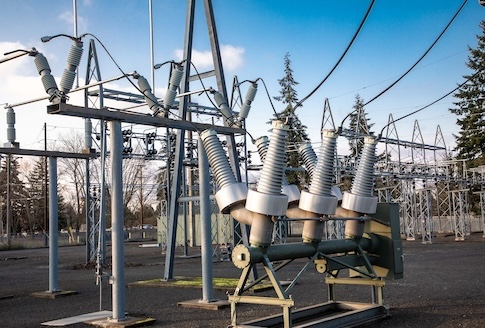
Photos from the construction of the Currin Substation, completed in 2024.
An earthquake can last only seconds. For the electric grid, however, the consequences can last far longer.
Uniquely in the Pacific Northwest, we face the looming Cascadia Subduction Zone earthquake and its inevitable reawakening, which could devastate our entire region, including Eugene.
That’s why EWEB is investing today to meet seismic standards in our electric infrastructure.
Across the power system, substations serve as critical links between generation, transmission, and the communities that depend on electricity every day. When an earthquake strikes, the challenge isn't simply keeping the lights on—it is keeping the infrastructure (i.e., substations) behind those lights standing.
That is where seismic upgrades become essential.
Transformers weighing up to 100 tons, circuit breakers, bus structures, control buildings, and other critical equipment must withstand an earthquake. Without these upgrades, equipment can shift, overturn, break apart, or lose critical electrical connections.
And when one major piece of equipment fails, the impact can extend well beyond the substation.

The hidden vulnerability beneath the substation
A substation may appear solid and immovable, but its ability to withstand an earthquake depends heavily on what lies beneath it.
EWEB engineers are upgrading several critical substations to ensure new parts of the system are resilient to earthquakes and can meet rising energy demand.
For example, a large transformer might sit on a reinforced-concrete pad. The pad is designed for the transformer weight plus seismic forces, while welds secure the transformer to steel channels embedded in the pad. The pad is designed to resist sliding, overturning and excessive settlement.
Where needed, equipment foundations are deepened and widened to transfer seismic forces to stronger soil and rock deeper underground. Where appropriate, flexible connections, cable systems, and equipment interfaces have been installed to prevent foundation movement from transferring damaging forces between independent components.
More than preventing an outage
The importance of seismic upgrades goes beyond keeping customers' lights on.
After a major earthquake, communities may already be dealing with damaged roads, disrupted communications, closed businesses, and overwhelmed emergency services. Electricity will be essential to our community's recovery.
A damaged substation can make all of those recovery efforts more difficult.

Why we’re investing today: Seconds of shaking, months of consequences
One of the biggest concerns is how hard it is to replace major electrical equipment after a disaster. Large power transformers and other specialized components can require significant time to manufacture, transport, and install.
That means preventing damage in the first place can be far more valuable than trying to rebuild afterward. A relatively small seismic upgrade—such as reinforcing a foundation—can help prevent a much larger failure.
Many of EWEB’s 38 substations were first constructed in the 1960s during an infrastructure boom that accompanied Eugene's rapid expansion. To address this aging infrastructure, EWEB is strategically modernizing substations over the next ten years.
EWEB is working diligently to cut costs wherever possible to keep customer rates low, even as costs rise to maintain the grid. Specifically, to manage costs, EWEB’s latest 10-year infrastructure investment plan defers rebuilding six substations by three to five years to manage rate impacts on customers. All told, the plan pushes back $65 million worth of work originally planned for the near term.
Building a grid that can bounce back
Electric system resiliency isn't about guaranteeing that an earthquake will cause no damage. It's about ensuring that the system can withstand the initial shock, limit the damage, maintain critical service, and recover as quickly as possible.
As communities prepare for stronger and more frequent natural hazards, seismic upgrades are becoming an important part of that strategy.
Because when the ground shakes, resilience isn't measured only by whether the infrastructure survives. It's measured by how quickly the power comes back on.
Related Programs
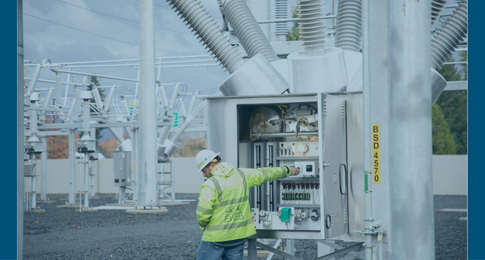
Rebuilding EWEB Substations
EWEB plans to address an aging infrastructure bubble with several major substation rebuilds over the next 10 years, increasing load capacity to meet future needs and improving reliability by preventing outages caused by equipment failure.
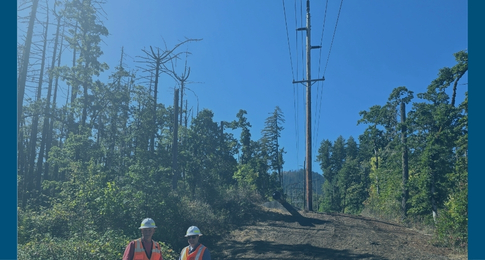
Headwaters Trail Resiliency Upgrade
EWEB is upgrading electric equipment in Eugene’s largest natural resource area to increase infrastructure resiliency to natural disasters such as wildfire and winter storms.
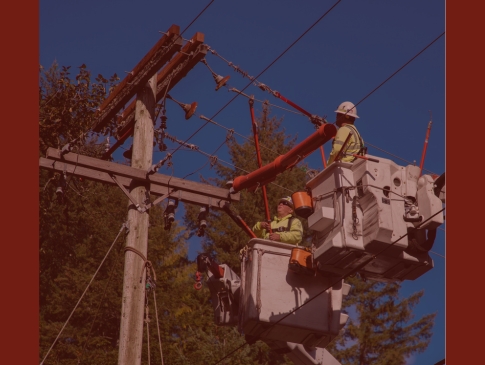
Wildfire safety and prevention
Community wildfire prevention is increasingly important as climate, drought and a host of other issues are converging—resulting in more frequent and damaging wildfire events.