
EWEB's Climate Change Policy sets a clear target: more than 95% of our annual energy from carbon-free resources by 2030. Reaching that goal while keeping power reliable and affordable requires active planning. On the supply side, we have secured a 20-year contract with the Bonneville Power Administration through 2044, giving us a stable, carbon-free foundation to build from. On the demand side, we're studying how electrification and load growth will change how much electricity Eugene needs and the role customers can play in managing that growth.
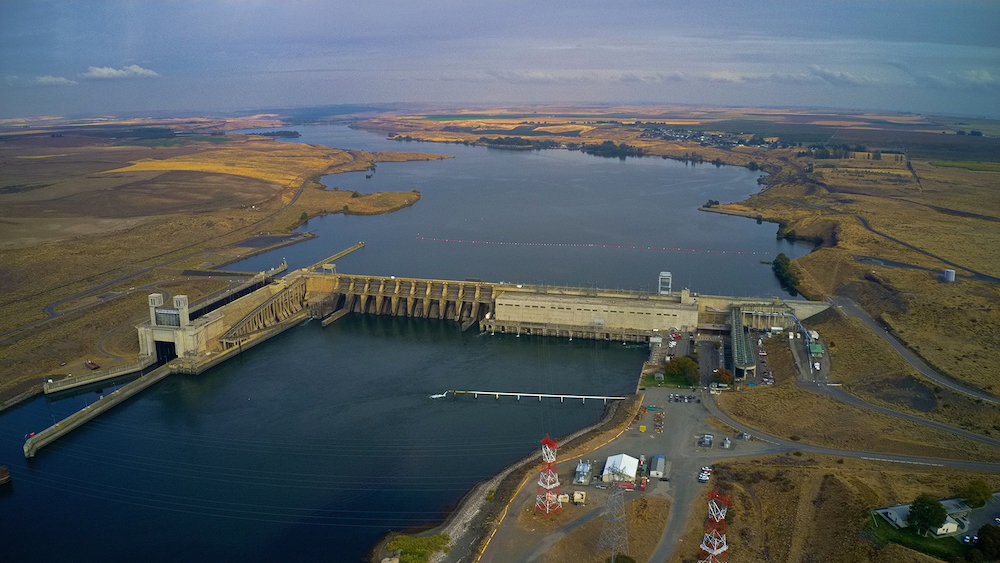
Bonneville Power Administration (BPA) product choice
In 2025, EWEB signed a new contract with the Bonneville Power Administration (BPA) that runs through 2044, securing access to between $2.5 and $3 billion worth of energy.
BPA is a federal agency that sells energy from large dams on the Columbia and Snake Rivers, as well as the Pacific Northwest’s sole nuclear power plant, the Columbia Generating Station. Energy from BPA makes up about 80% of EWEB’s energy supply.
Energy from BPA’s system is among the least expensive available. Federal law gives community-owned, nonprofit utilities in the Pacific Northwest, such as EWEB, priority access to BPA’s low-cost hydropower, which largely comes from dams that were built between the 1930s and 1970s. This hydropower enables EWEB to charge customers rates that are significantly lower than other utilities in the region.
BPA’s hydropower system also enables to EWEB to maintain a power supply that is both more than 90% carbon-free and flexible enough to meet swings in customers’ energy demand.
Read more...Growing demand for clean energy
Eugene's electricity needs are rising. More people are switching from fossil fuels to clean electricity for transportation and building heating, and new and emerging industries are adding to electricity demand across the region. These changes require careful planning to ensure our power supply keeps pace while staying clean, reliable, and affordable.
We are exploring questions such as:
- How will the demand for electricity change over time?
- What risks does EWEB need to plan for and mitigate?
- What products and services will customers expect?
- What investments are needed?
- How can we partner with others across the region to optimize the interconnected electric grid?
In 2021 EWEB completed a study of the impacts of widespread electrification on our community. We examined potential changes to demand and consumption patterns, generation needs, environmental impacts, and the economics of electrification.
Read more...EWEB and UO generation study
EWEB and the University of Oregon (UO) are extending a study that seeks to better understand if running UO’s on-site combined heat and power (CHP) generator during short periods of peak winter demand can support a cleaner, more reliable grid. The CHP generator uses natural gas to generate electricity and captures the excess heat to produce steam for campus heating, making it more efficient than conventional power plants. The study period began in January 2026 and is now scheduled to extend through the end of March 2026. It gives EWEB the option to run the UO’s generator at times during this three-month window if certain conditions are met. Specifically, the generator would operate only during supply-constrained peak conditions — when electricity demand is high and affordable renewable sources such as wind, solar, and hydropower are limited. Regional studies indicate that these types of conditions are becoming more likely, and in extreme cases could increase the risk of controlled outages, sometimes referred to as rolling blackouts.
Read more...Understanding peak power
Peak power occurs when the highest level of electricity is consumed in our region within a specific timeframe. There are seasonal peaks, daily peaks and even hourly consumption peaks.
Peak electricity is more expensive, affecting power supply and infrastructure costs and, ultimately, customer bills. Supplying power during peak times also increases greenhouse gas emissions contributing to climate change.
Managing peak electricity demand is a critical component of achieving climate recovery goals and keeping energy affordable for all customers.
Learn more...Energy efficiency and conservation
Planning for growing demand isn't only about finding new sources of power — it's also about using the clean electricity we have more wisely. Conservation and energy efficiency reduce how much new supply EWEB needs to secure. Shifting energy use to off-peak hours helps balance the grid and avoid the higher costs and carbon emissions that come with peak demand.
When we use electricity wisely, together we are actively helping maintain a reliable, affordable, and clean grid for everyone.
EWEB offers a range of programs to help our community save energy, reduce utility bills, and support a cleaner grid.
Learn more...Integrated Resource Planning
An Integrated Resource Plan (IRP) is a long-term planning document to identify EWEB’s energy needs and the best resource options to meet those needs. The IRP relies on modeling, analysis, and public input to provide a 20-year look at future portfolio options and identify a nearer-term (2-5 year) action plan.
EWEB completed our last IRP in 2023.
Goals of EWEB’s 2023 IRP:
1. Modernize our approach to energy resource planning to make it more robust, dynamic, routine, and useful, while developing in-house expertise.
2. Understand EWEB’s needs for energy and capacity in the future.
3. Identify least-cost, “best fit” resources.
4. Consider tradeoffs and values when developing action plans
Most importantly, this IRP includes a set of recommended actions that the utility can take in the next 2-3 years to make progress on long-term strategic goals related to EWEB’s power supply. These actions will be essential to providing the community with a least-cost power supply that meets EWEB’s policy target of providing 95% carbon-free electricity by 2030.
Read more...