Join our project email list
Click here to start receiving news and updates on EWEB’s Willamette Water Treatment Plant project
For over 75 years, the City of Eugene has relied on the McKenzie River and the Hayden Bridge Filtration Plant to meet all of the city's water needs. If something happened—there was a chemical spill, a toxic algae bloom, or failure at the aging plant —EWEB would be unable to produce water. With no other source and treatment plant to turn to, taps would run dry.
Since clean water is vital to public health, safety and the economy, EWEB is planning to build a second treatment plant on the Willamette River. Water from the new plant would supplement our primary supply and serve as a critical backup should our sole source, the McKenzie River, or sole filtration plant, Hayden Bridge, become unavailable due to a natural or human caused disaster.
Costs and Affordability Strategies
There’s no question—our community needs a second source of drinking water. At the same time, we understand that affordability is a top concern for our customers.
While Eugene’s water rates remain among the lowest in the region, the cost of delivering safe, reliable water has risen over the past decade. Factors such as inflation, supply chain disruptions, and increasing regulatory demands have all contributed to rising project costs.
As we move forward, our focus is on how to responsibly meet the need for a second water source while keeping rates as affordable as possible.
To that end, we are developing a comprehensive funding strategy that includes:
- Thoughtful rate adjustments
- Borrowing options to spread costs over time and reduce near-term financial impact
- Potential deferral of other capital projects within the distribution system
- Actively pursuing grant opportunities and state/federal funding
Learn More: Project Timeline | Project Location | Water Quality | Environmental Impacts & Mitigation Measures | News & Updates | Frequently Asked Questions | Upcoming RFP
Project Timeline
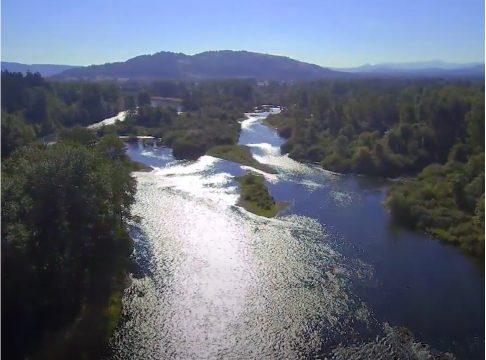
EWEB has been studying options for a second source for decades. Technical investigations, capacity studies, and risk and reliability assessments confirm the Willamette River is the best option to provide Eugene with a second source of drinking water. Building a treatment plant on the Willamette would enable EWEB to continue having ownership and control of its drinking water assets in perpetuity.
In September of 2024, EWEB submitted a Joint Permit Application to the U.S. Army Corps of Engineers and Oregon Department of State Lands to address environmental permitting for the plant. As the permitting process continues, EWEB is moving forward with the detailed design of the plant, associated pipeline, and water intake structure to establish a firm cost for the project.
Project updates will be posted on this webpage. You can also join our project email list to stay informed.
Project Location
Under the proposed plans, the treatment plant would be located in Glenwood, on the west bank of the Willamette River, with a pipeline connecting the plant to EWEB’s existing system near the Knickerbocker Pedestrian Bridge. Through careful consideration of different siting alternatives, this location was selected based on its seismic, water quality, and constructability benefits.
The proposed intake is near the confluence of the Coast and Middle Forks. Immediately upstream of the intake is the 1,300-acre Willamette Confluence, important floodplain lands, owned by the McKenzie River Trust (MRT). Having the confluence preserve upstream of the intake is ideal to protect and optimize water quality.
View Larger Map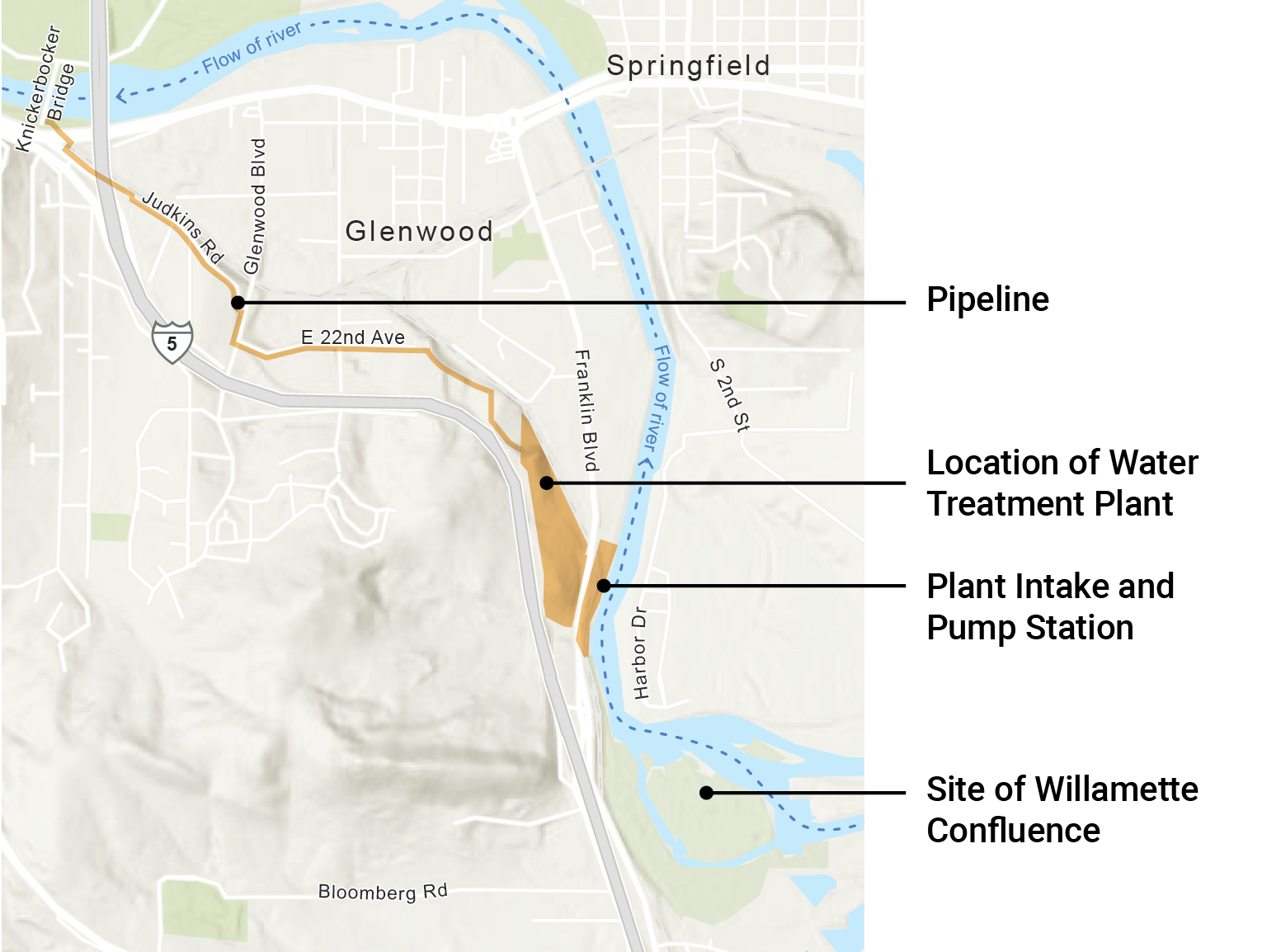
Water Quality
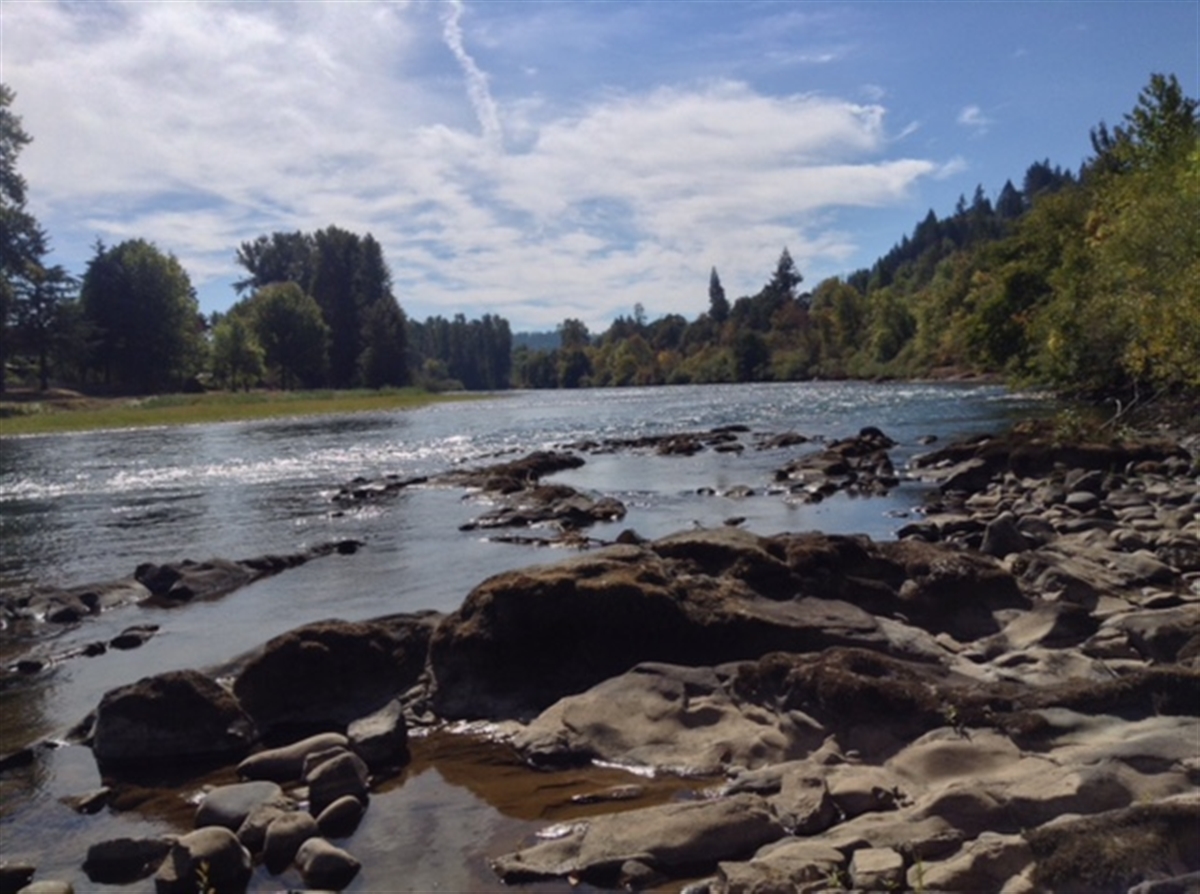
The Oregon Department of Environmental Quality scores the Willamette River as “Excellent” on the Oregon Water Quality Index less than a mile downstream of the proposed intake.
The addition of water from a new plant into the existing EWEB system is expected to be imperceptible even to the most discerning water users like medical facilities, dialysis centers, and breweries because raw water from the Willamette and McKenzie are similar in composition and can be treated to achieve similar characteristics.
Learn MoreEnvironmental Impacts & Mitigation Measures
EWEB is committed to protecting the river and surrounding landscape during the construction of the Willamette Water Treatment Plant.
We have developed several draft mitigation measures to offset impacts of new infrastructure and are working with permitting agencies to finalize our mitigation approach.
Learn More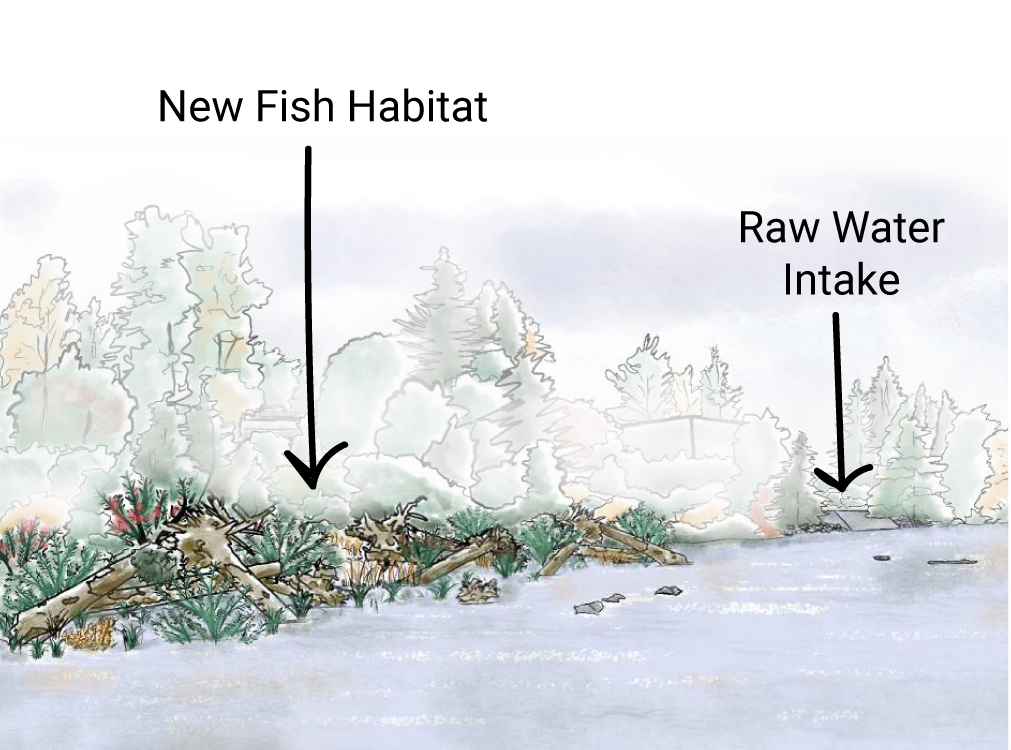
News Stories
KEZI, August 12, 2026: EWEB moves forward with scaled-back plan for new Willamette water treatment plant
Lookout Eugene-Springfield, August 6, 2026: EWEB scales back Willamette treatment plant proposal
The Register-Guard, August 10, 2026: New EWEB Willamette intake, treatment plant estimated at $431M
KLCC, August 10, 2026: Financial details make EWEB commissioners consider smaller Willamette River treatment plant
KEZI, March 27, 2026: EWEB plans second water plant on Willamette River in Glenwood
Lookout Eugene-Springfield, March 24, 2026: EWEB plans to develop drinking water plant on Willamette River in Glenwood
Eugene Weekly, May 2, 2023: A Back-Up Plan: EWEB plans to build a filtration plant on the Willamette River to provide a second water source
KLCC, April 20, 2023: EWEB eyes second water source on the Willamette River
The Chronicle, September 8, 2022: EWEB pitches water treatment plant
Eugene Weekly, November 23, 2016: Water for Life: When disaster strikes, Eugene needs a second source of water
Presentations & Updates
Board Meeting - August 2026. General Manager, John Hairston, Chief Water Operations Officer, Karen Kelley, and Assistant General Manager and Chief Financial Officer, Deborah Hart, discuss financial health metrics and preliminary rate trajectories for the Willamette Treatment Plant.
Board Meeting - July 2026. Chief Water Operations Officer, Karen Kelley, Principal Engineer & Project Manager, Laura Farthing, P.E. present capacity alternatives and preliminary costs for the Willamette Treatment Plant.
Board Worksession - October 2025. Chief Water Operations Officer, Karen Kelley, Principal Engineer & Project Manager, Laura Farthing, P.E., and Communications Specialist, Claire Wray, provided an update on the permitting, alternatives analysis, financial planning and outreach for the project.
Industry Open House - January 2025. Project Manager, Laura Farthing, P.E., Senior Water Quality Specialist, Brenda Casarez, and Water Treatment Supervisor, Toby Dixon, presented about the treatment plant at Ninkasi Brewing on January 30, 2025.
City Club of Eugene Presentation - January 2025. Chief Operations Officer, Karen Kelley, discusses why establishing a second source is necessary to establish a resilient water supply for Eugene.
Board Meeting Presentation - October 2021. Chief Operations Officer, Karen Kelley, and former Water Engineering Supervisor, Wally McCullough, presented information about the treatment plant and associated transmission project to the EWEB Board and heard input on the scope and commitment to fund the project.
Background Documents
Preliminary Planning Memorandum: Documents the need for a second water source, summarizes efforts completed to date, discusses the sources of supply that are available, explores the risks and benefits of supply alternatives, and makes a recommendation on how to move forward.
Alternatives Analysis and Staff Recommendation: Explores considerations and tradeoffs of different plant capacities and project delivery methods.
Frequently Asked Questions
Investing in a second source will enhance the reliability of our community's most vital resource, clean drinking water, for generations to come.
Read FAQRelated Programs
Protecting the McKenzie
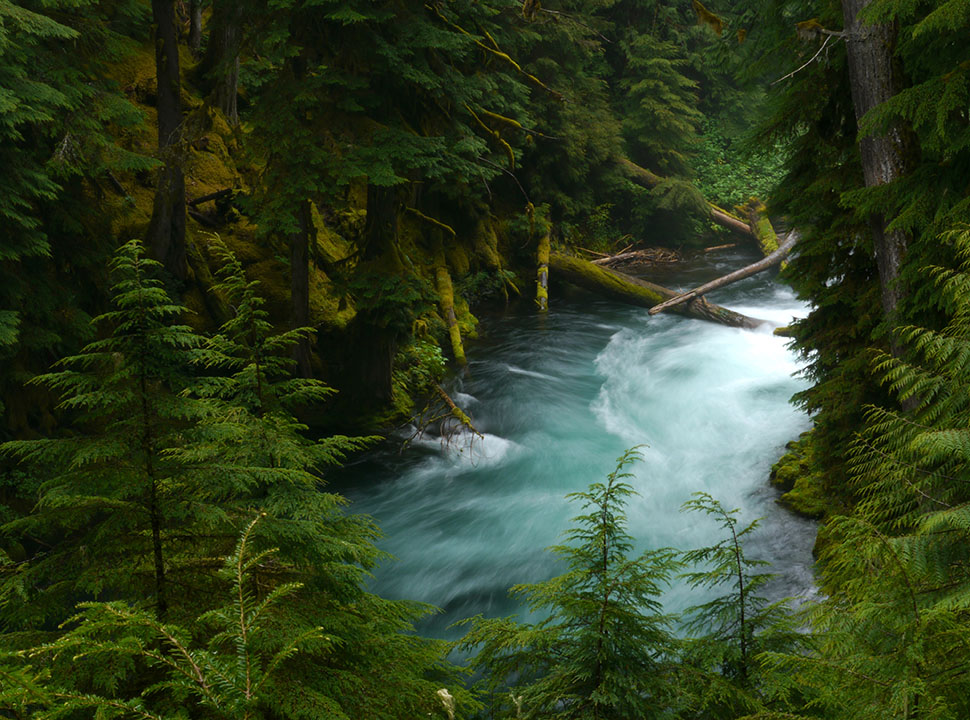
Protecting the McKenzie River Watershed helps to ensure excellent drinking water quality for customers and residents today and into the future.

Water safety in your home or business
Learn more about your drinking water, including how you can help keep our public water supply clean through backflow prevention. Also check out tips for preventing freezing pipes.
Preparing for Emergencies
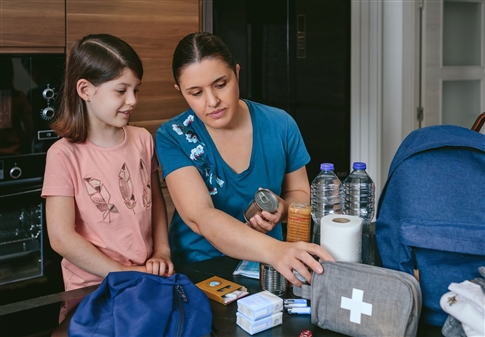
Together, we prepare. Find information about preparing your household for an emergency.