
Major Floodplain Restoration Project to Begin May 1 on South Fork McKenzie River
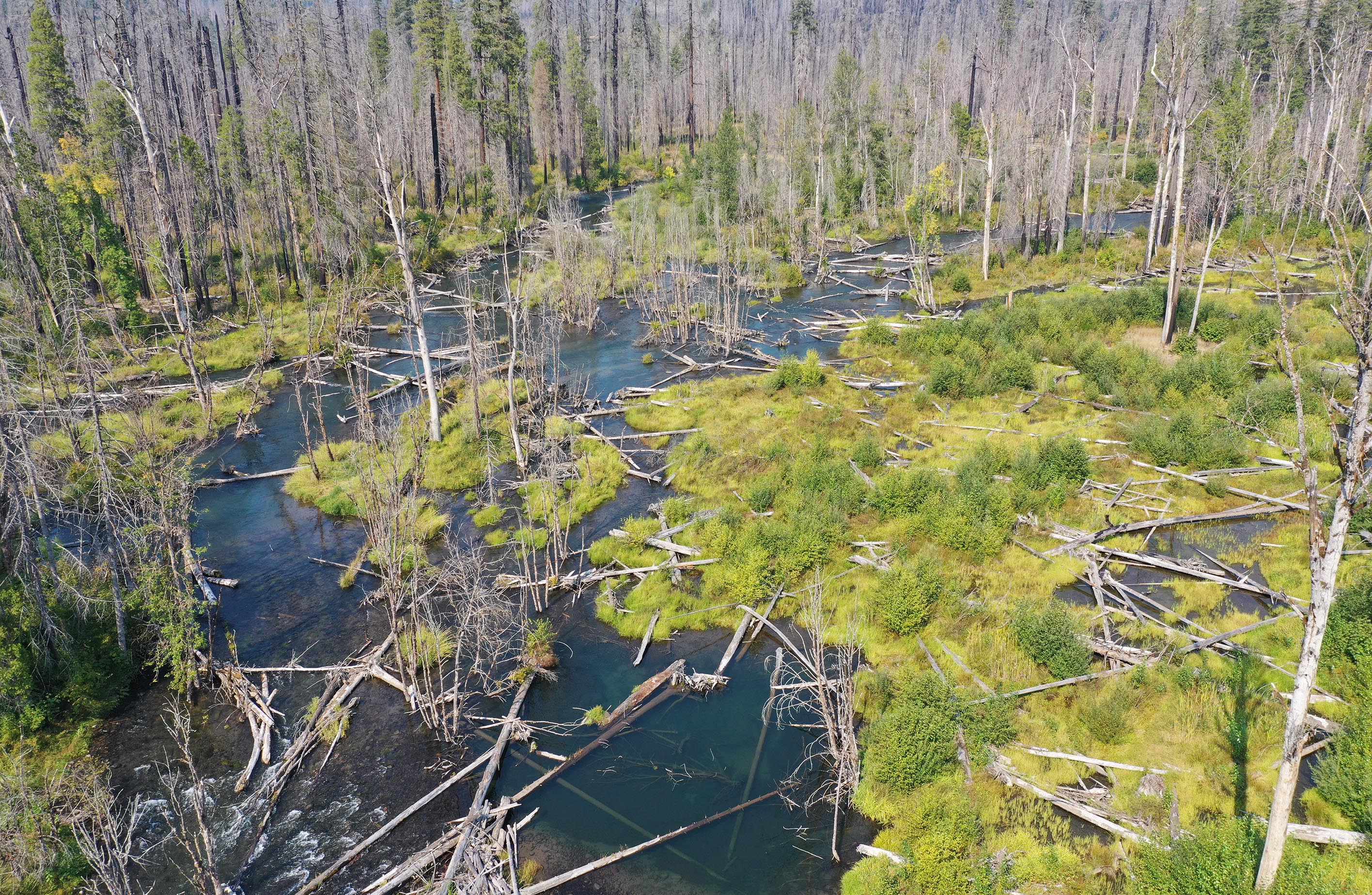
A major river restoration project along the South Fork McKenzie River will begin in early May, launching a multi-partner effort to reconnect flowing water to more than 335 acres of the river’s historic floodplain, restoring natural river processes that improve water quality, fish habitat, and community resilience.
The USDA Forest Service, in partnership with McKenzie Watershed Council (MWC), Eugene Water & Electric Board (EWEB), and McKenzie River Trust (MRT), will begin implementing the Lower South Fork McKenzie River Valley Reconnection Project – Phase 3, building on more than a decade of collaborative restoration work in the McKenzie basin.
The project will take place across 1.8 miles of the South Fork McKenzie River. The terrain is a wide, alluvial valley upstream of Blue River, Oregon, along Forest Service Road 19.
The area includes rich habitat for spring Chinook salmon, bull trout, and other native plants and animals.
Restoring a River System
Over time, the South Fork McKenzie River has been cut off from its floodplain due to land use, flood control activities, and the effects of Cougar Dam. These changes have led to faster-moving water, less complex habitat, and reduced natural capacity for water storage during extreme rains, which increases the risk of flooding in the area.
Using a process-based approach known as “Stage 0 Floodplain Restoration,” crews will work to reconnect the river to its surrounding valley. This includes redistributing sediment, placing large wood, and reactivating dormant side channels to give the river room to spread out, slow down, and cycle through its natural processes once again.
“This work is about restoring the river’s ability to take care of itself,” said Lara Colley, Floodplain Restoration Projects Manager with the McKenzie Watershed Council. “We’re working with natural processes to rebuild habitat and improve conditions for fish and wildlife over the long term.”
Benefits for Water, Wildlife, and Community
The McKenzie River is the sole source of drinking water for approximately 200,000 people in the Eugene area. By reconnecting the floodplain, the project is expected to improve water quality by slowing flows, allowing sediments to drop out of the water and for water to infiltrate into and recharge groundwater. Slowing flows and spreading them out across the floodplain will help to contain sediment churned up during storm events – the greatest contributor of turbidity and contaminants to the McKenzie River.
“Investing in watershed restoration helps protect the quality and reliability of our community’s drinking water,” said Susan Fricke, Water Resources and Quality Assurance Supervisor with EWEB. “Projects like this are smart, long-term investments in both environmental and community health.”
In addition to water quality benefits, the project will enhance habitat for threatened and endangered species and other native wildlife, while also improving the river system’s resilience to wildfire and climate-related impacts.
A Collaborative Effort at Landscape Scale
With a total project cost of approximately $6.4 million, the effort is funded through a combination of federal, state, and local investments, including support from National Oceanic and Atmospheric Administration, the Oregon Watershed Enhancement Board, and the U.S. Forest Service.
The project is part of a broader, basin-wide effort to restore floodplain connectivity across the Middle McKenzie River system, where partners have already completed several large-scale restoration projects and have more planned in the coming years.
“The scale of this work reflects the strength of our partnerships,” said Darren Cross, McKenzie River District Ranger. “By working together, we’re able to restore entire river systems in ways that wouldn’t be possible individually.”
What to Expect
Preliminary site work, including vegetation clearing and staging, is already underway. In-water restoration activities are scheduled to begin in June, with construction continuing through the summer and project completion anticipated in early September.
Community members may see increased activity in the project area during this time, including heavy equipment and temporary access changes. Efforts are being made to ensure public safety and minimize impacts to people and wildlife.
Additional information, including project updates and opportunities for community engagement, will be available through project partners in the coming weeks.